

Mon-Sat 08:00 - 18:00

Working Hours

24/7 Emergency Support
28199 Bremen , Germany

Assmannshauser Str. 39

Cargo inspection & cargo operations

Someone independent on the quay while your cargo is being handled

Break bulk & heavy lift Lashing supervision Supercargo & port captain

Most cargo claims are not created at the discharge port. They are created during loading and securing — and only discovered weeks later, when nobody can prove how the cargo was stowed or what condition it was in when it went on board.

DENIS attends on your behalf while the operation is running. We record condition, monitor handling and securing, and produce a documented, photographic record of what actually happened — the record that decides who carries the loss if something goes wrong later.
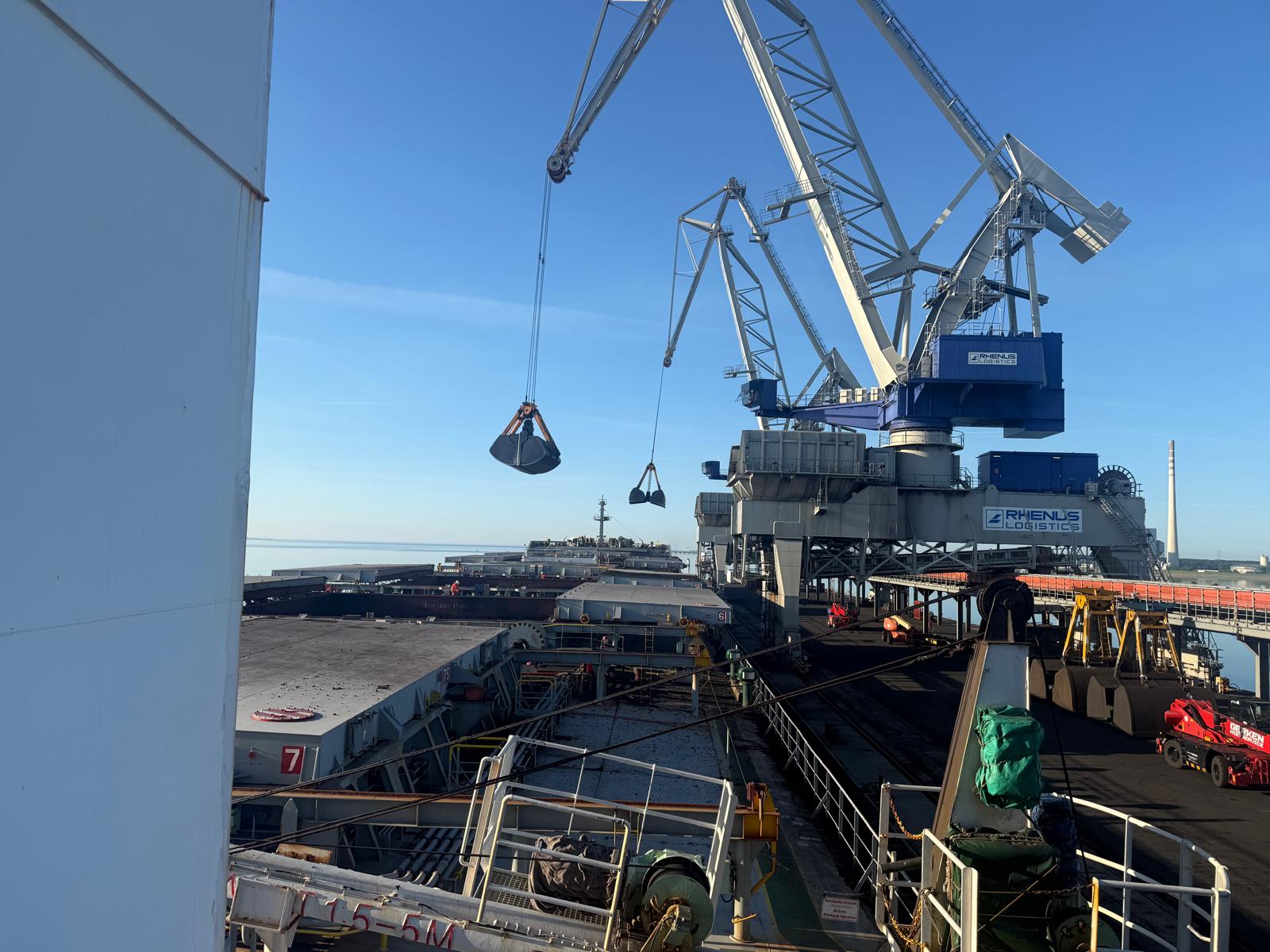
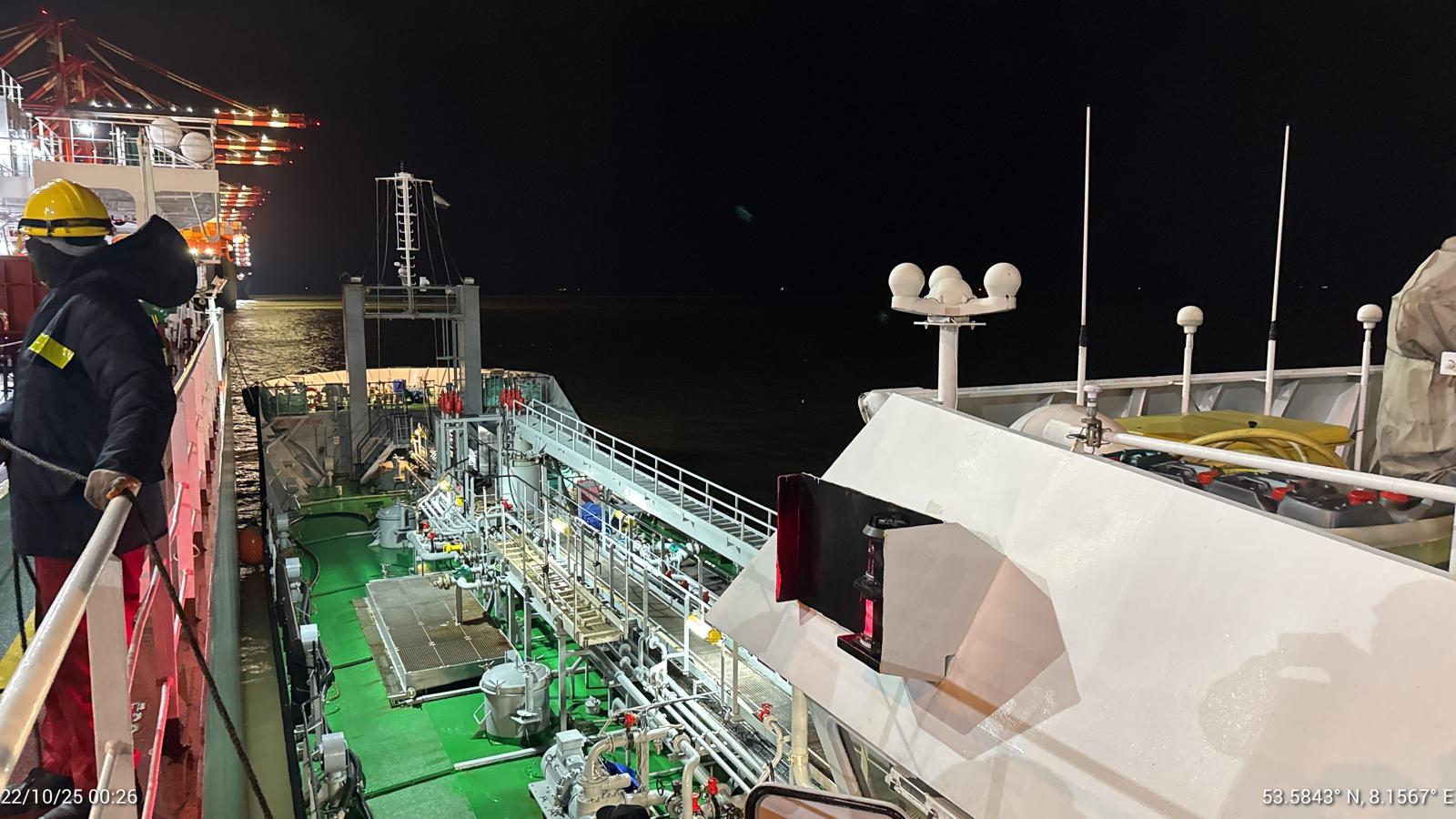
Cargo operation in progress alongside the berth, viewed from the vessel's deck

What we can be instructed to do

Attendance can cover a single stage of the operation or the full call from arrival to sailing.
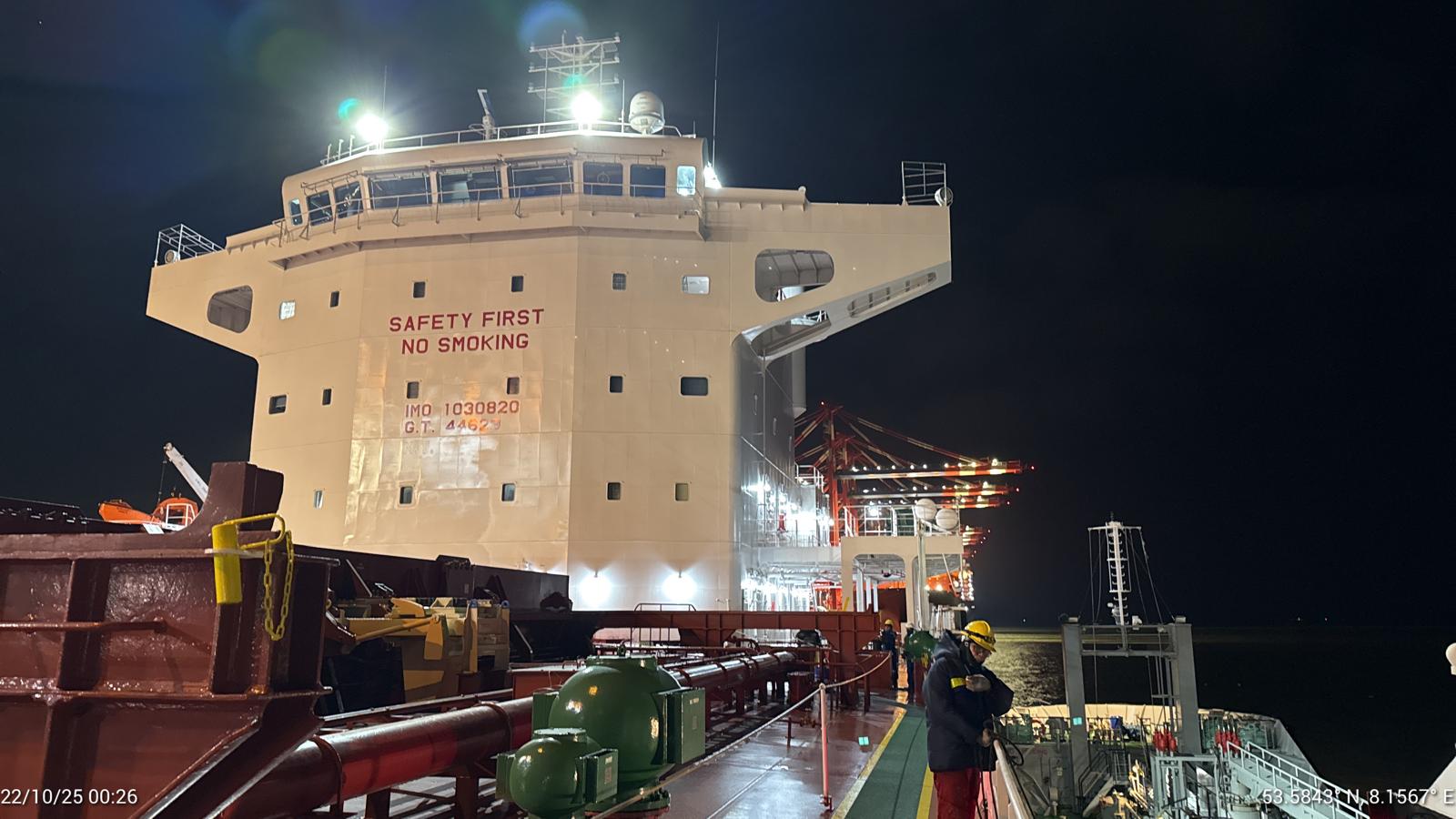
Break bulk cargo operations Attendance throughout loading and discharge of general and break bulk cargo — condition on receipt, handling method, stowage arrangement and damage recording as it occurs.
Lashing & securing, heavy lift supervision Supervision of lifting and securing for project and oversized cargo — verification against the lifting plan and the vessel’s Cargo Securing Manual, with the securing arrangement documented before sailing.
Pre-shipment inspection Inspection of the cargo before it is shipped — quantity, marking, packing adequacy for the intended voyage, and condition recorded and photographed before it leaves the terminal.
Sampling procedure & laboratory testing Representative samples drawn to the applicable procedure, sealed, labelled and dispatched with the chain of custody maintained, for analysis at an independent accredited laboratory.
Supercargo & port captain services We represent your interests on site for the duration of the call — liaising with terminal, agent and vessel, keeping you informed in real time and escalating problems before they become claims.
Cargo inspection Independent assessment of cargo condition, quantity and apparent order at any point in the chain — on receipt, before loading, on completion of discharge, or where damage has been alleged.
Container surveys Container condition and suitability checks, stuffing and loading supervision, seal verification, lashing inside the unit, and damage reporting on arrival or before return.
Independent by instruction We attend for one instructing party and say so openly in the report. Findings of fact are kept separate from opinion, and anything that could not be examined is recorded as a limitation.
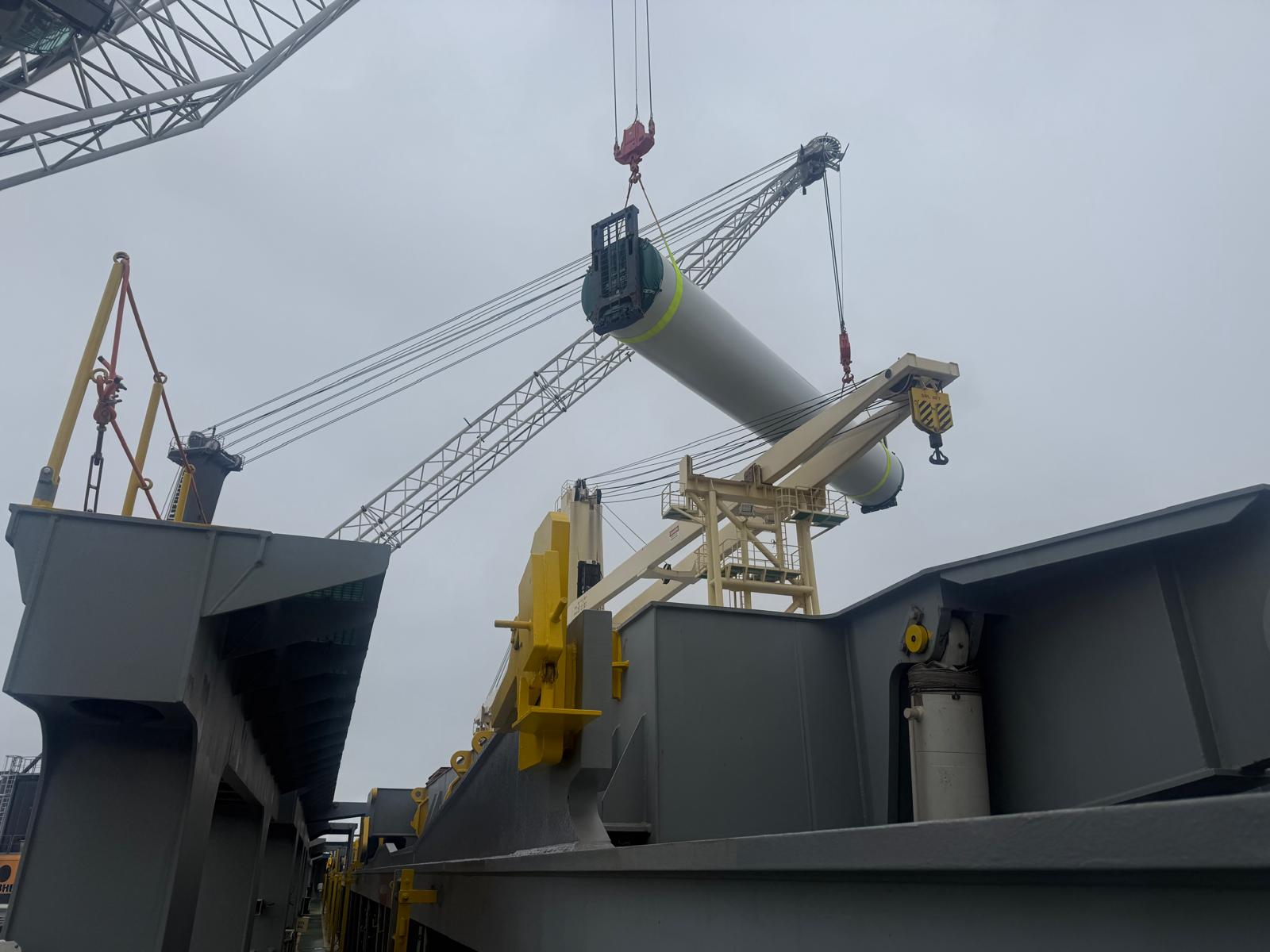
Crane lifting an oversized project cargo unit during a supervised heavy lift operation

Heavy lift operations are supervised against the lifting plan, not observed from the quay.

Why attendance pays for itself

A claim is argued on the record that was made at the time

Once the vessel has sailed, the argument is no longer about what happened — it is about what can be proven to have happened. Whoever holds the better contemporaneous record is in the stronger position.

Attendance during the operation costs a fraction of the cargo value, and a much smaller fraction of a disputed claim. It is the cheapest point in the whole chain at which to protect your position.

  • Damage caught at the source — recorded when it occurs, with the responsible stage of handling identified rather than guessed at afterwards.
  • Securing verified before sailing — checked against the lifting plan and the Cargo Securing Manual, and photographed as finally arranged.
  • Problems escalated in real time — you hear about a handling issue while it can still be corrected, not in a report a week later.
  • An independent record — not the terminal’s account, and not the vessel’s, but one produced by a party with no interest in the outcome.

Timing matters more than scope. An inspection carried out after discharge can describe the damage, but rarely establishes where it came from. Attendance during the operation can do both — which is why the nomination should be made before the vessel berths, not after a problem appears.

What we do at each stage of the operation

Attendance is scoped to the stages that matter for your cargo — you do not have to instruct all of them.

Stage 01 — before loading Readiness and baseline condition Cargo hold inspection for cleanliness, dryness and readiness for the nominated cargo. Review of the stowage and lashing plan. Cargo condition, marking and packing recorded and photographed at the terminal before anything is lifted.
Stage 02 — during loading Handling monitored, damage recorded as it happens Attendance throughout the operation: handling method and lifting gear, tally and quantity where instructed, stowage as actually built, and immediate photographic recording of any damage together with the stage of handling at which it arose.
Stage 03 — securing Lashing and securing verified before sailing Supervision of lashing and securing, including heavy lift and project cargo, checked against the lifting plan and the vessel’s Cargo Securing Manual. The final arrangement is documented so it can be evidenced later, and any reservation is raised before departure.
Stage 04 — on completion Report, samples and statement of facts A structured report with findings, photographic evidence, quantities and stated limitations. Samples dispatched for laboratory analysis where instructed, and the essential findings communicated to you immediately where an operational or commercial decision depends on them.

Where the detail decides the outcome

Two areas where a general inspection is not enough and a specialist record is what holds up.
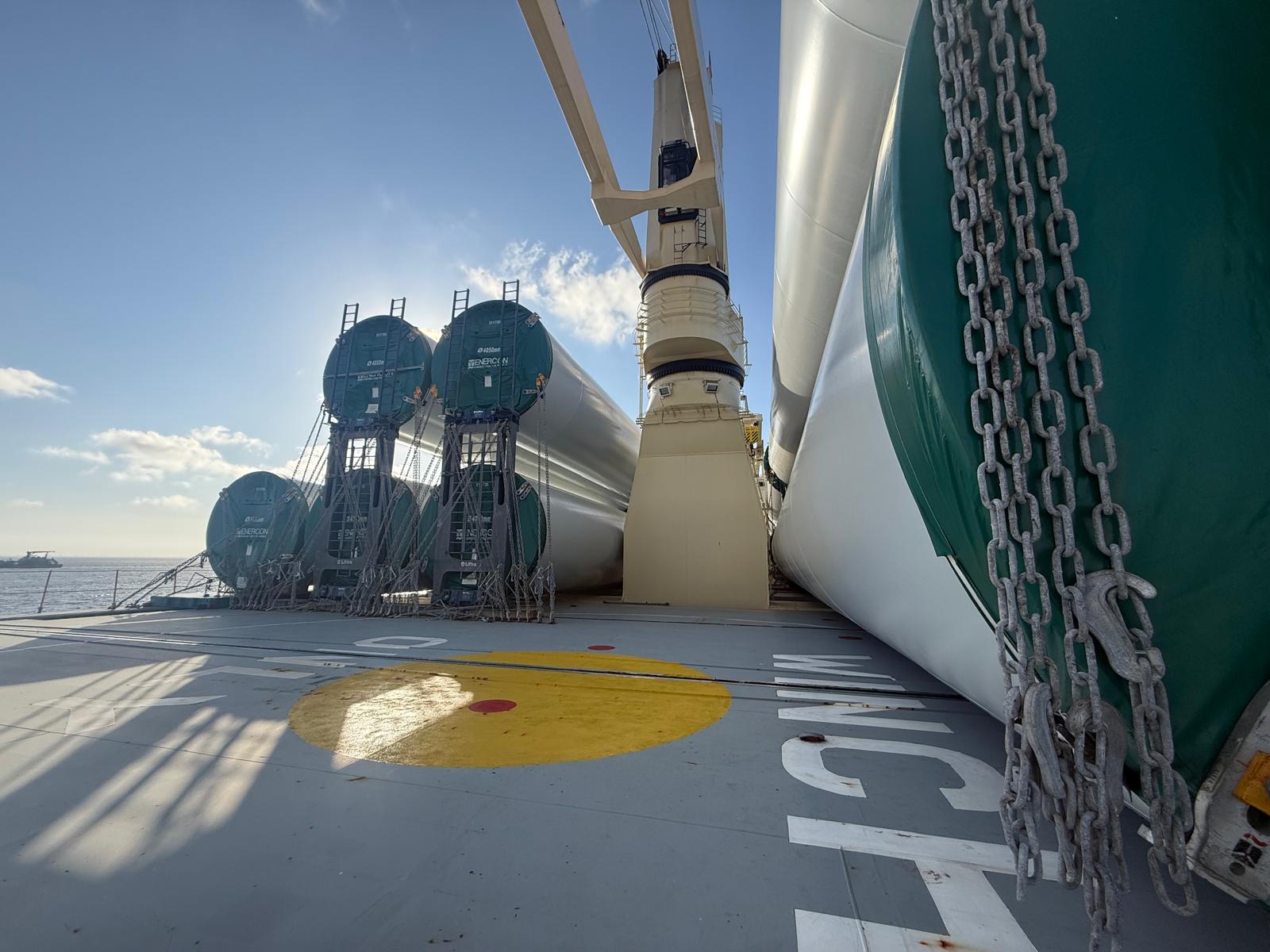
Close-up of chain lashings, turnbuckles and welded stoppers securing cargo on deck
Lashing & securing supervision

Securing failures are almost never about the number of lashings. They are about pre-tension, the angle of the lashing, the strength of the securing point and whether the arrangement matches what the Cargo Securing Manual actually allows.

We document the arrangement as finally built — components, positions and points of attachment — and raise any reservation in writing before the vessel sails, while it can still be corrected.
Cargo being inspected in the hold during a cargo condition survey
Cargo condition & quantity

Condition on receipt is the reference point for every later dispute. We record apparent order and condition, packing adequacy for the intended voyage, marking and quantity — with photographs that carry position, scale and date.

Where quantity or quality is commercially critical, sampling and independent laboratory analysis can be added to the scope. Quantities determined by survey are estimates carried out to customary industry standards and within their inherent tolerances.

Cargoes we attend

If your cargo is not listed, send us the details — we will tell you plainly whether it is within our experience.
Break bulk & general cargo Palletised, crated and unitised cargo, machinery and equipment
Project & heavy lift Oversized and indivisible units requiring a lifting and securing plan
Steel products Coils, plates, sections and pipes — including pre-existing condition recording
Bagged & big bag cargo Condition, tally, packing integrity and stow
Dry bulk Hold readiness, sampling and quantity determination by survey
Containerised cargo Unit condition, stuffing supervision, seals and internal securing
Timber & forest products Stow, securing and moisture-sensitive condition recording
Ro-Ro & wheeled units Condition on receipt, lashing points and securing arrangement
Vessel alongside the terminal during cargo operations

Cargo moving soon? Nominate before the vessel berths

Send us the vessel, port, cargo and ETA together with the scope you need. We will confirm availability, scope and cost basis in writing — and tell you which stages of the operation are worth attending for this particular cargo.