
Independent investigation and technical advice when something has gone wrong
When cargo is damaged, a vessel is involved in an incident, or a purchase decision has to be made under time pressure, what you need is an independent technical account of what actually happened — documented well enough to stand up in front of an insurer, a counterparty or a court.
DENIS attends as a neutral third party. We have no commercial interest in the outcome, we report what we find, and we state clearly what could not be examined. More than 30 years of seagoing and technical management experience sits behind every assessment.
What we are instructed to do
Six areas of work, each ending in a documented report you can act on or rely on in a claim.
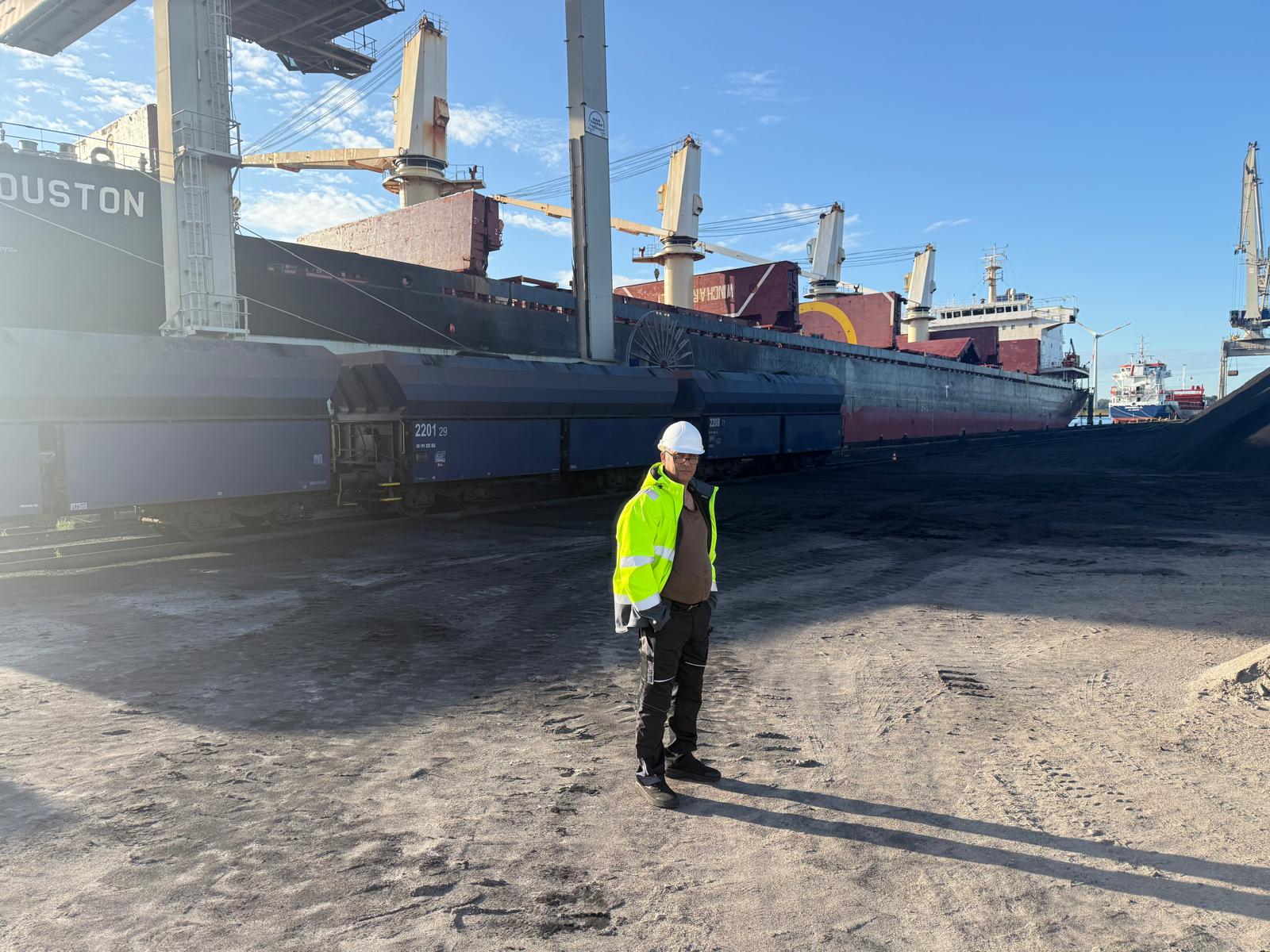
Findings are recorded photographically on site, with position, scale and date.
Why a third-party investigation carries weight
In a dispute, an assessment is only as useful as its independence. A report produced by a party with an interest in the answer will be challenged — and usually discounted.
We attend as an appointed third party. Our instruction is stated openly in the report, findings of fact are kept separate from opinion, and limitations are recorded rather than glossed over. That is what makes a report usable by an insurer, a P&I club or a tribunal.
- Evidence secured on site — photographs, measurements, samples, and the vessel’s own records and logs before they are dispersed.
- Fact separated from opinion — so the reader can see exactly what was observed and what is professional assessment.
- Technical root cause — not just what failed, but why, and what would prevent a recurrence.
- Chain of custody maintained for any sample drawn and sent for independent laboratory analysis.
Evidence has a short life. Cargo is discharged, damage is repaired, the crew is relieved and records are overwritten. The earlier a surveyor attends, the more of the picture can still be established — which is why an early call costs less than a late one.
How an investigation runs
The same four stages whether the instruction comes from an owner, a charterer or an insurer.
Condition and repair work in the field
Two assignments that are almost always time-critical and rarely worth doing remotely.
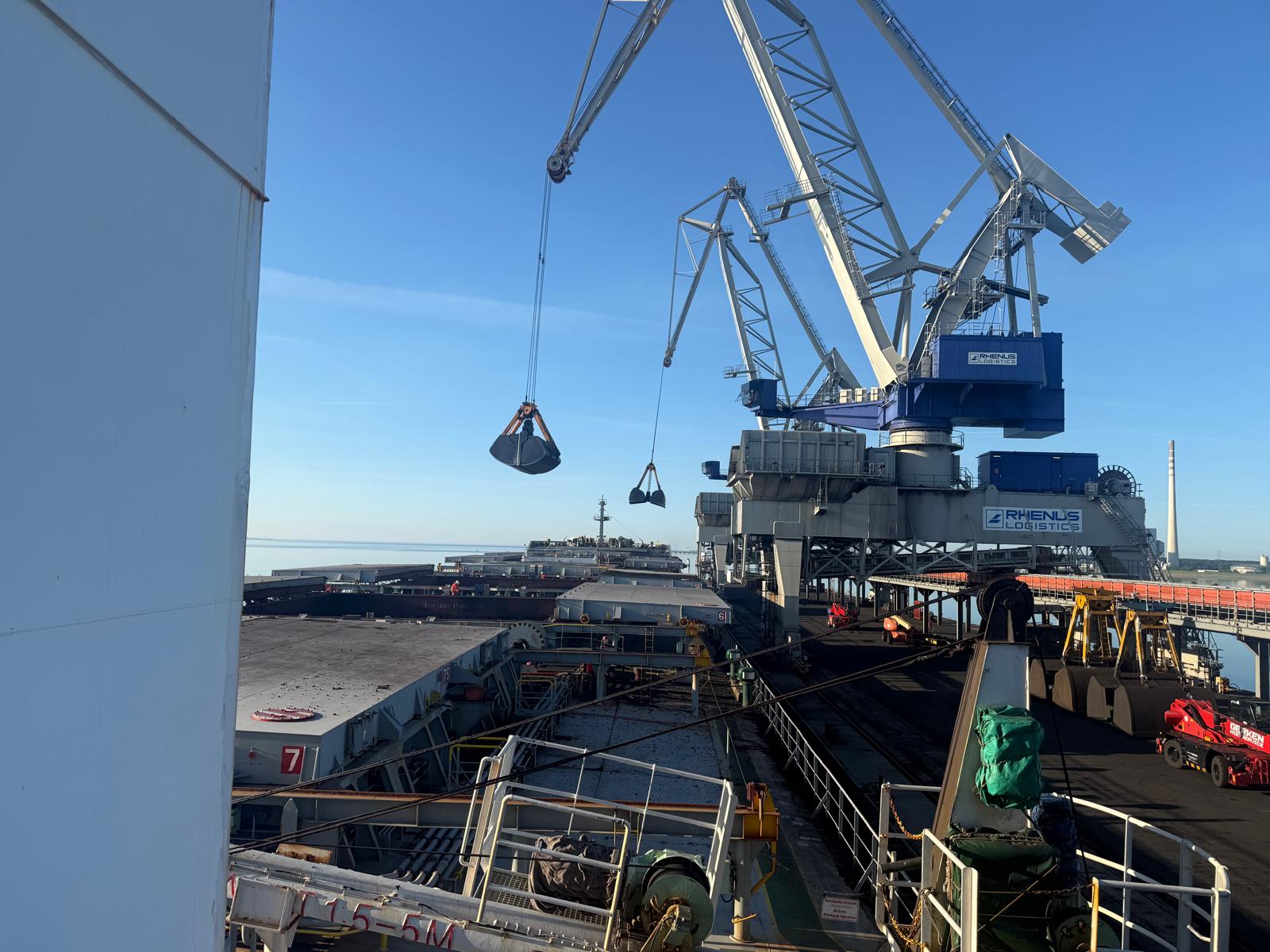
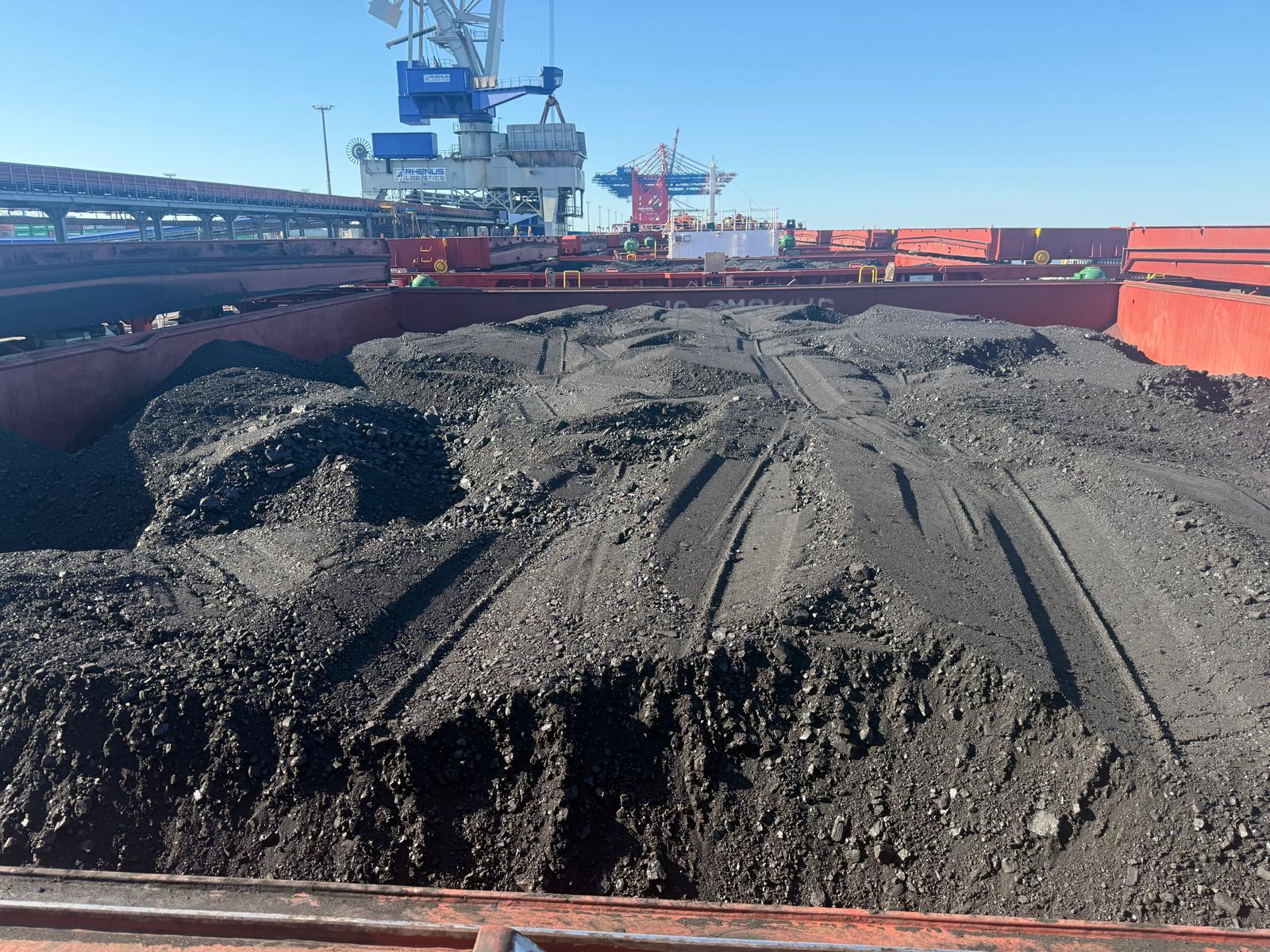
We assess hull structure and coatings, hatch cover condition and weathertightness, and the state of the cargo holds — including cleanliness and readiness before a sensitive cargo is loaded.
A survey records the condition found at that time and place, in the areas that were safely accessible. Anything that could not be examined is stated in the report as a limitation, not left unmentioned.
Repair invoices are easy to inflate and difficult to verify after the fact. We attend during the work to confirm that the agreed scope is what is actually carried out, and record progress as it happens.
We also arrange independent dry docking at yards in Turkey and elsewhere in Europe, and source emergency spare parts where a delay would keep the vessel off service.
When to call us
If one of these applies, an early call is almost always cheaper than a late one.
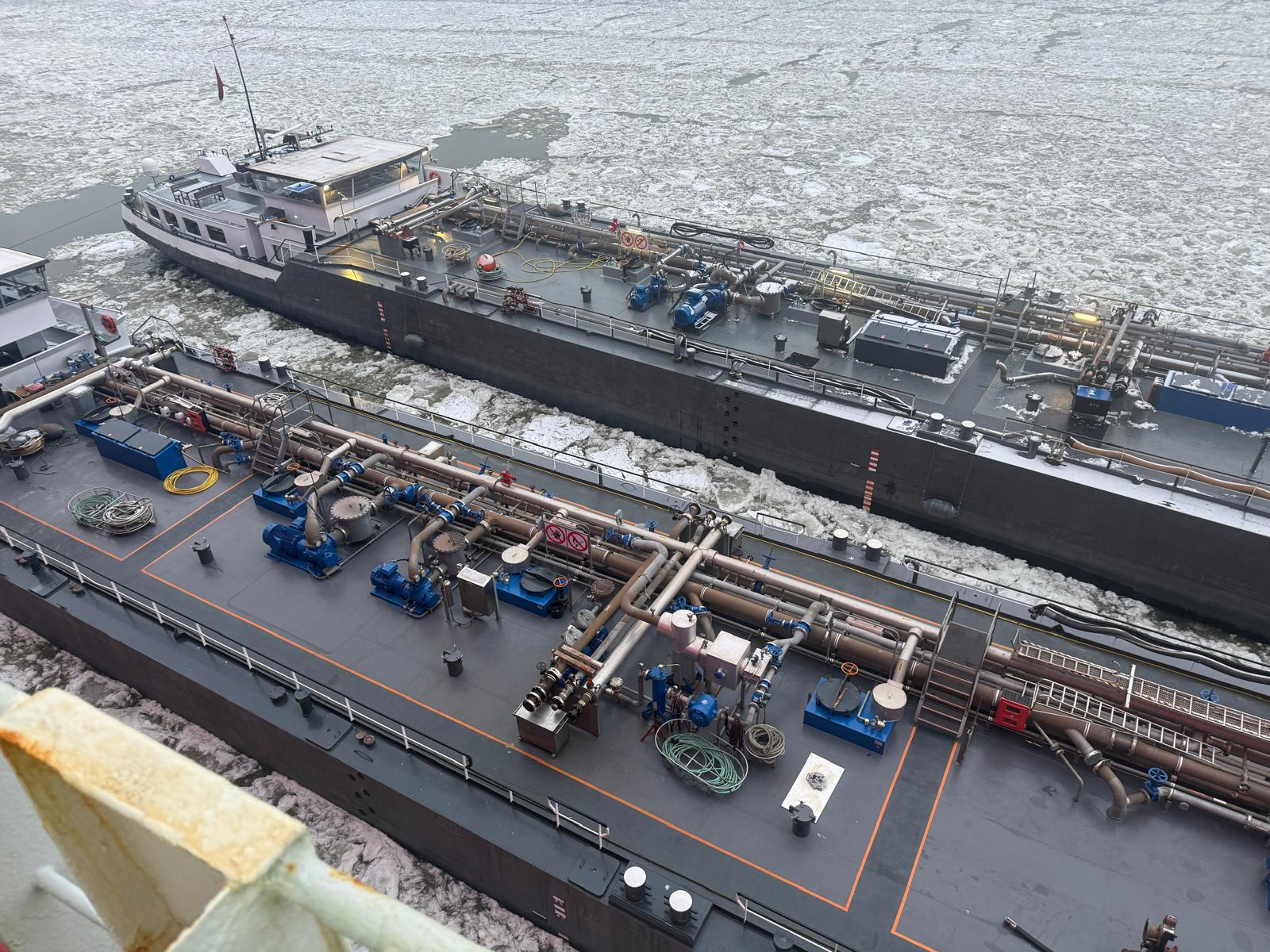
Something has happened and you need it documented properly
Send us the vessel, the port and a short description of the incident. We will come back with availability, scope and a cost basis — and tell you straight away if the assignment is one we should not take.