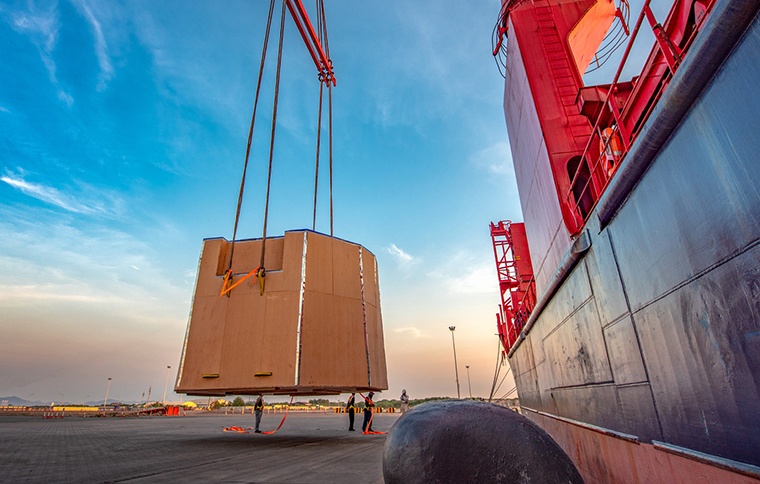

The figure in the report is the figure that gets invoiced
Quantity and condition surveys are not paperwork. A draft survey decides how much cargo is paid for. A bunker survey decides how much fuel changes hands. An on-hire and off-hire survey decides who carries the cost of every difference in between.
Because real money follows the number, the number has to come from someone with no interest in which way it goes. DENIS attends as an independent surveyor, states the method used, and records the conditions and tolerances that apply to the result.
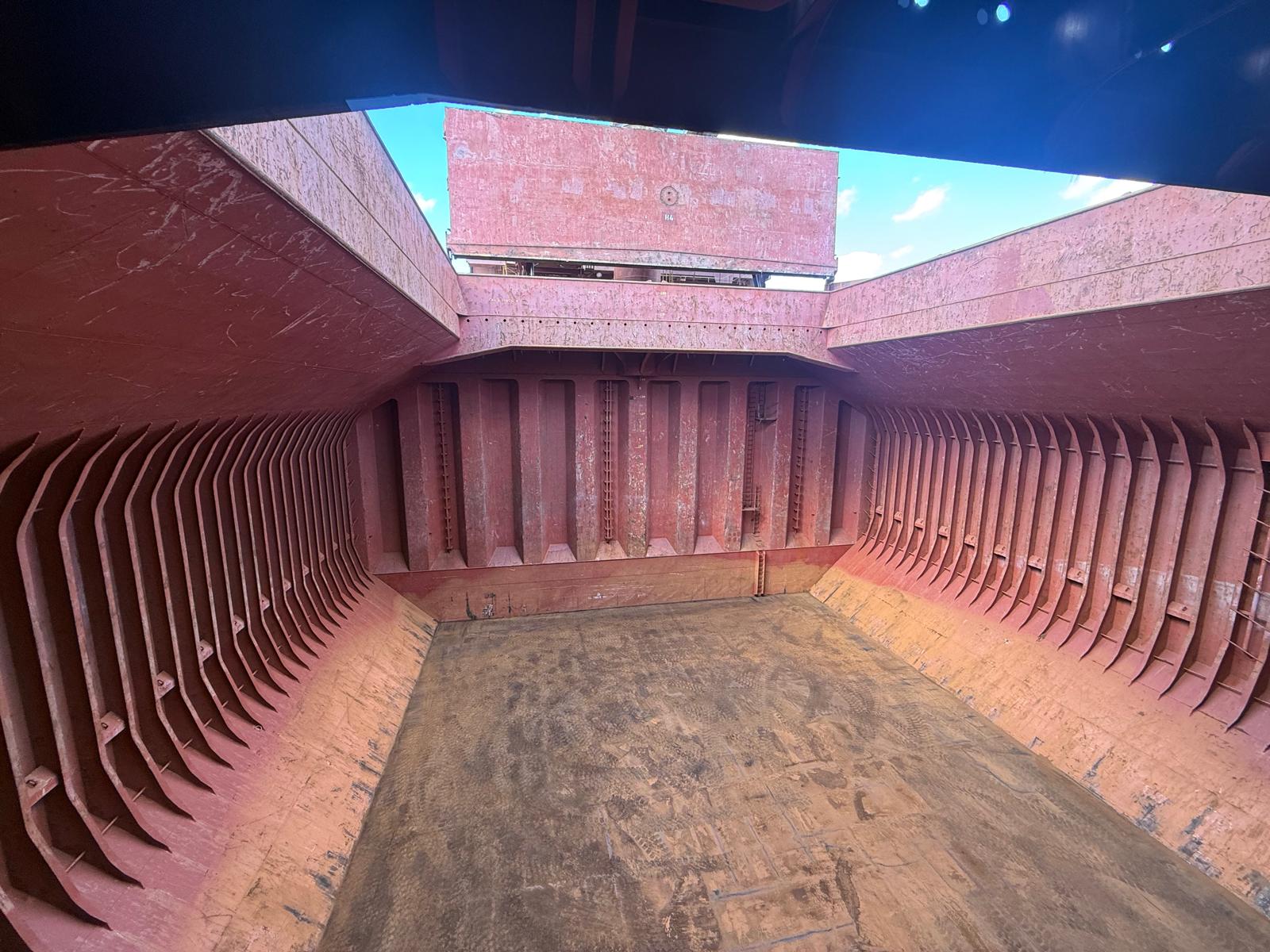
Surveys and inspections we carry out
Each ends in a report that states what was measured, how it was measured, and what could not be examined.
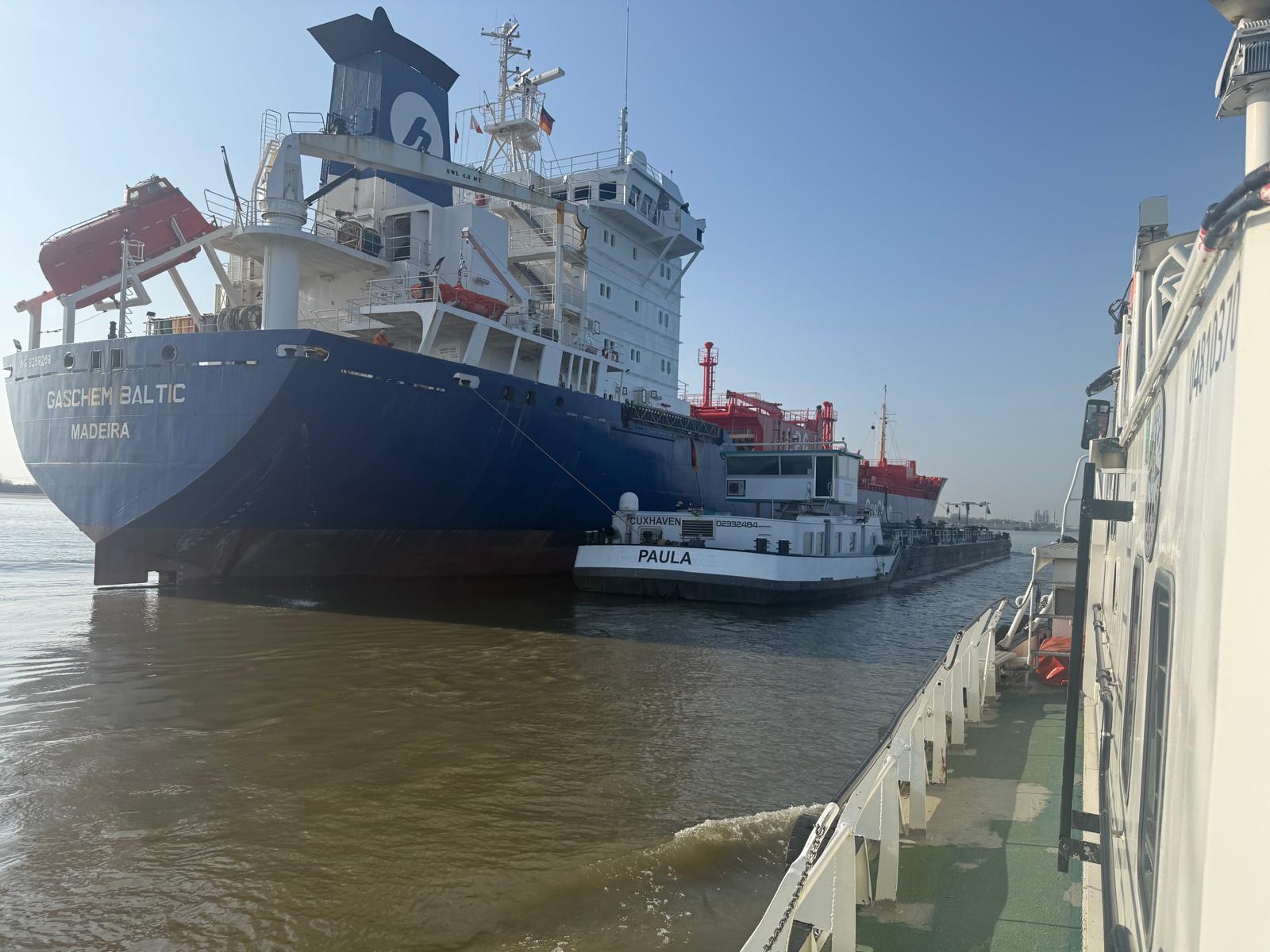
Drafts are read at all six points from the water, not estimated from the deck.
Where a draft survey goes wrong is almost never the drafts
Reading the marks is the visible part. The result is decided by what happens afterwards — and by whether the deductibles were verified or simply accepted.
Every unsounded ballast tank, every constant taken on trust and every uncorrected density reading moves the final figure. On a large parcel, a small percentage error is a substantial sum, and it always moves in one party’s favour.
- Six-point draft reading from the water, with hog and sag corrected by the quarter-mean method.
- Dock water density measured on site at the relevant depth, not taken from the port’s standing figure.
- Trim and list corrections applied from the vessel’s own hydrostatic particulars.
- All deductibles sounded and checked — ballast, fresh water, bunkers, lube oil, slops and constants — on both the initial and the final survey.
Both ends or neither. A quantity is the difference between two surveys. If the initial and final survey are carried out to different standards, or the tanks are only sounded once, the difference is not a measurement — it is an estimate with a margin nobody has quantified.
Bunkers and vessel condition
Two areas where the dispute is usually about a quantity or a condition nobody recorded properly at the time.
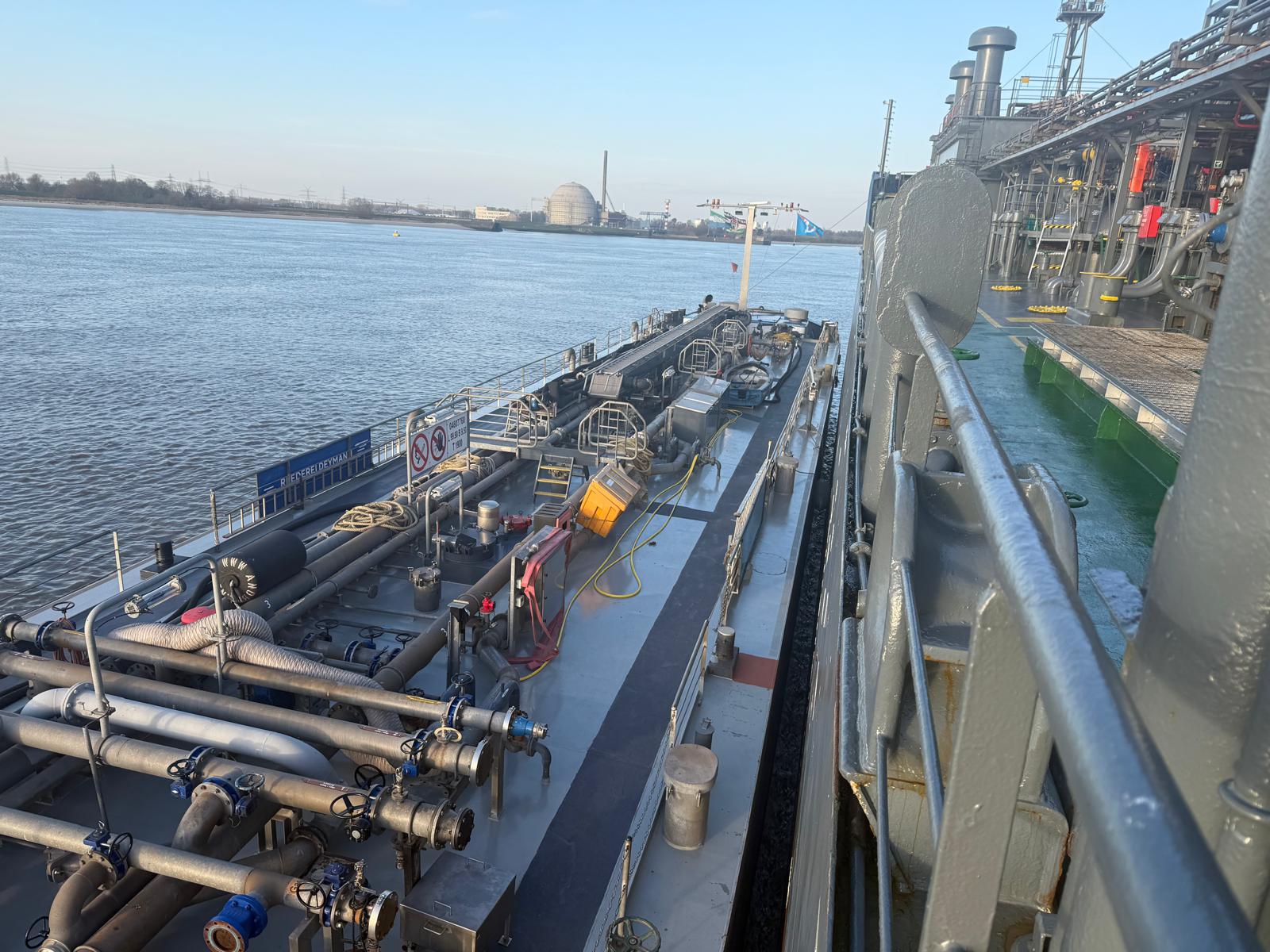
Soundings or ullages taken tank by tank, temperature and density applied, and quantities calculated from the vessel’s own calibration tables — with the discrepancy against the supplier’s figure stated plainly where one exists.
- ROB — quantity remaining on board at a defined moment
- BQS — verification of the quantity actually supplied at bunkering
- On/off-hire bunkers — quantities at charter delivery and redelivery
- Condition & sampling — representative samples sealed and sent for independent analysis
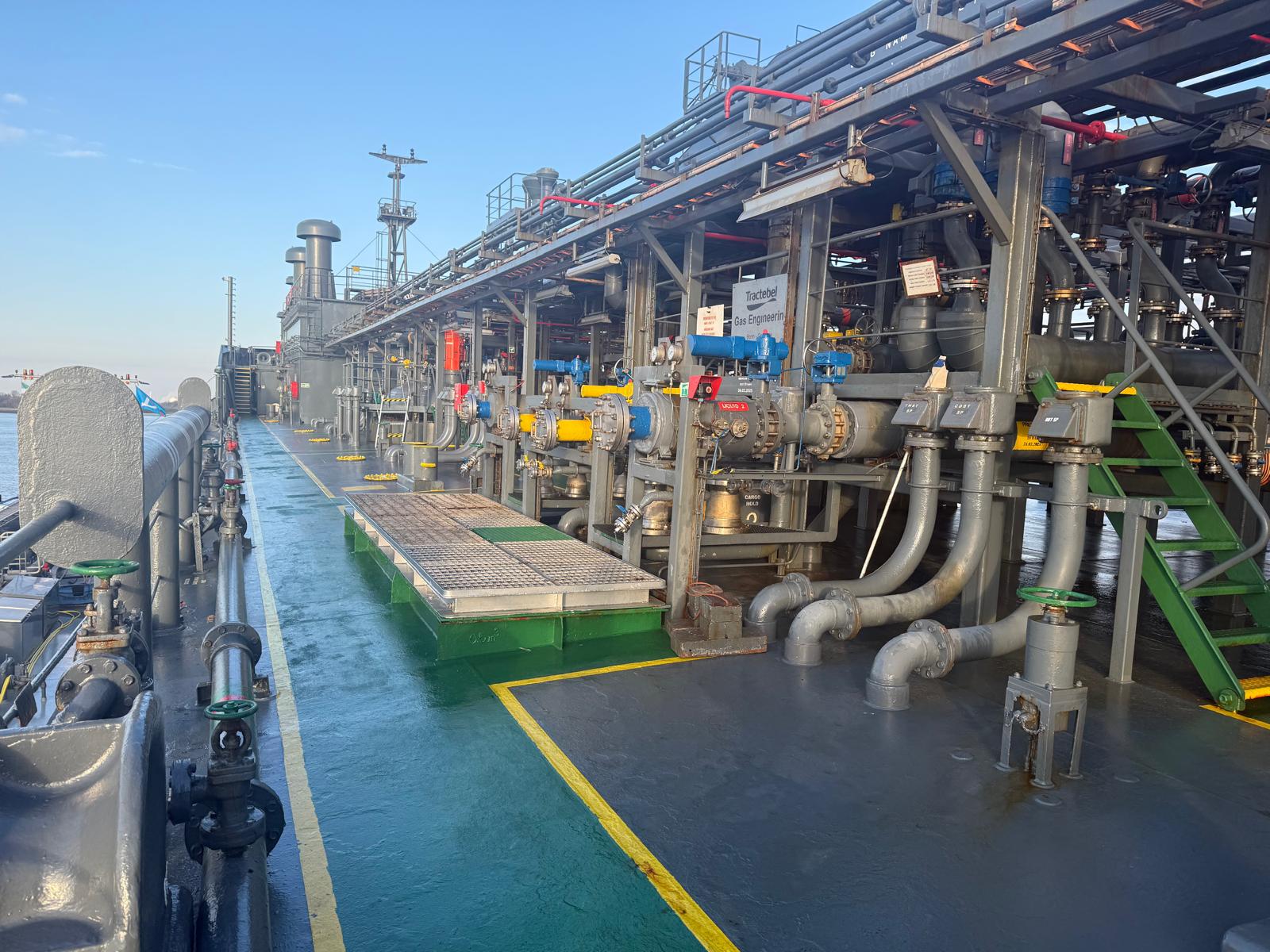
A condition record is only useful if it is specific. We photograph what we find with position, scale and date, and we state clearly which spaces were opened and accessible and which were not.
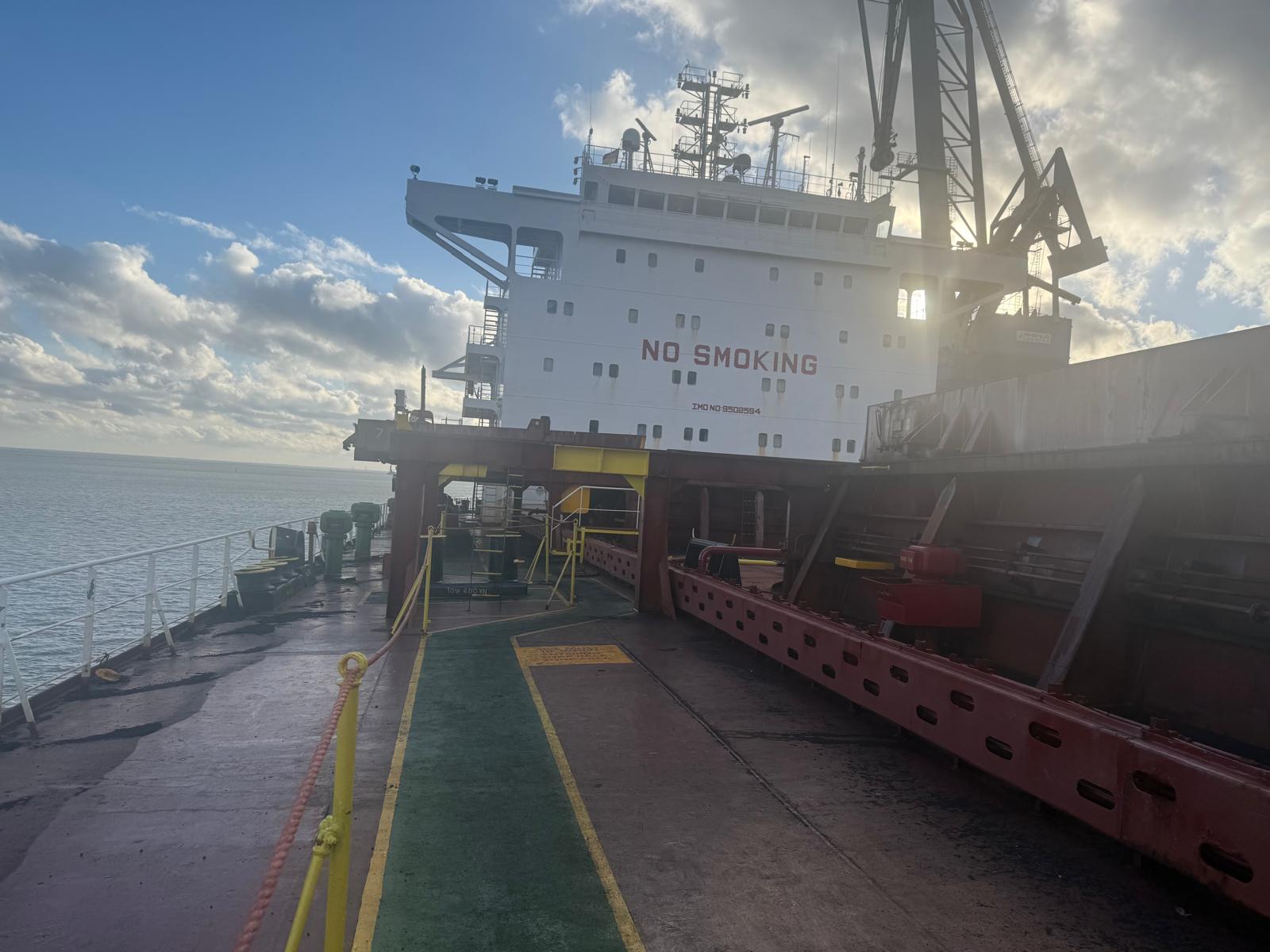
- Hull structure, coatings, hatch covers and weathertightness
- Cargo hold condition, cleanliness and loading readiness
- Machinery condition and operational standard as observed
- Class and certificate status, and outstanding recommendations
On-hire and off-hire: two surveys, one purpose
Read on their own, each is a snapshot. Read together, they are what allows a difference to be attributed to a period and a party.
Establishes the baseline the charterer takes over: condition of hull, holds, tanks and equipment; bunker quantities on board; inventory of spares and stores where instructed; and a photographic record of any pre-existing damage.
Damage not recorded here is damage the charterer may later be asked to pay for.
Records the same items at hand-back, against the same method and the same level of detail, so that any change over the charter period is identifiable and quantifiable rather than arguable.
Where a bunker difference or new damage is found, the report states it with the evidence attached.
This is why both ends of a charter are normally attended by the same practice: identical method, identical detail, and a difference that stands up to scrutiny.
Stated plainly, before you instruct us
A survey is a visual, non-destructive assessment of the condition found at the time and place of attendance, limited to the areas that were safely and reasonably accessible. It is not a guarantee of the condition of the vessel or cargo, and it is not a warranty of seaworthiness or fitness for purpose.
Quantities, weights and calculations determined by survey are estimates carried out to customary industry standards and within their inherent tolerances. Where a quantity is commercially critical, we recommend agreeing the tolerance basis with your counterparty before the operation, not after it.
Anything that could not be examined — a tank that could not be sounded, a space that was not opened, an area that was unsafe — is recorded in the report as a limitation. We would rather hand you a report with stated gaps than one that implies a completeness it does not have.
Tell us the vessel, the port and the ETA
We will confirm availability, the survey method we intend to apply and the cost basis in writing before attendance. If the scope you have asked for will not give you the answer you actually need, we will say so first.